
Getting stronger is an intrinsically good thing to accomplish. In both the absolute and abstract sense, increasing your capacity for exerting your Will into the current moment is a benefit to us all. Even more critical is the need that you not be weak. Physical weakness is easily correlated to all manner of psychosocial and immunological dysfunctions. Lack of exercise and relative strength showcases higher prevalence of anxiety, depression, and depressed immune function (1,2). Overall, it seems that being physically fragile renders you mentally fragile as well. While exercise has shown to be a reliably valuable form of self-treatment for mental health, It is estimated that over 40 million people are currently on some form of anxiety or depression based medication, with forecasts showing a 2-5% growth year-over-year (3). It’s easy to see that we are missing the forest for the trees and are trying to save the Titanic with some duct tape. The trajectory of the social environment around us dictates that this will only get worse before it gets better. When it comes to you and your vision of the future, you need to make a decision on whether you’re going take an active stance against the current social trends. Whether or not you get strong (in all senses) is a critical part of that decision. What I intend to showcase in this article is the simplest means to go about that process.
Emphasize Barbell Compounds
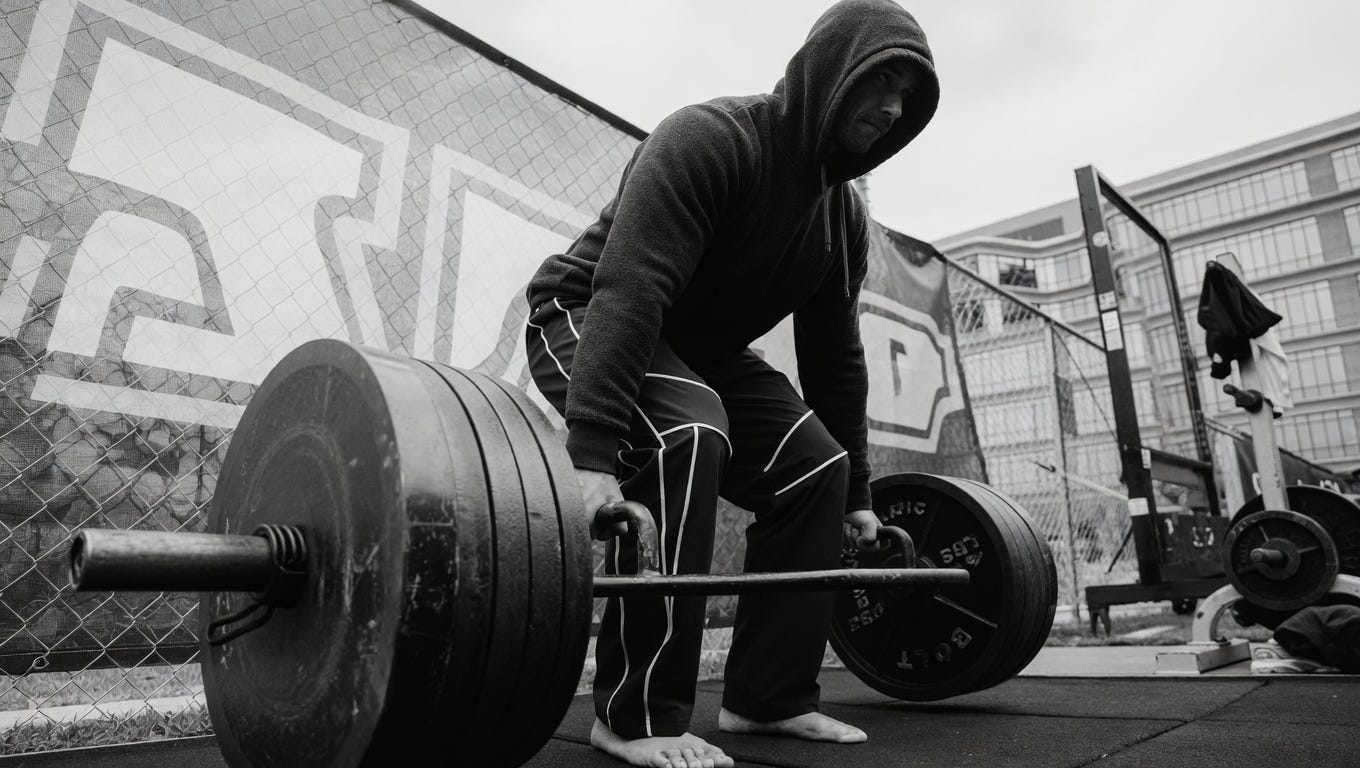
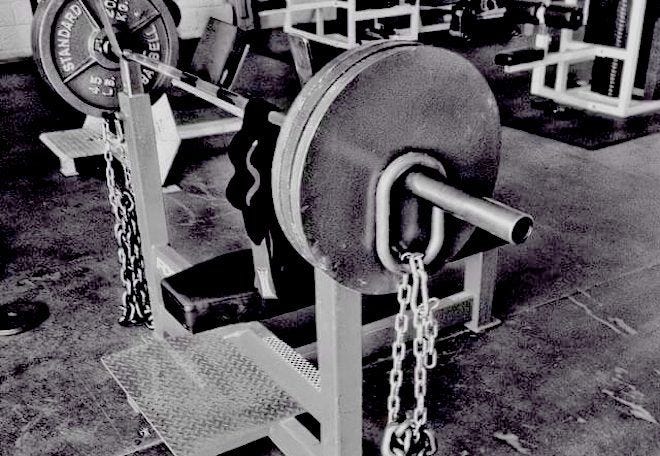
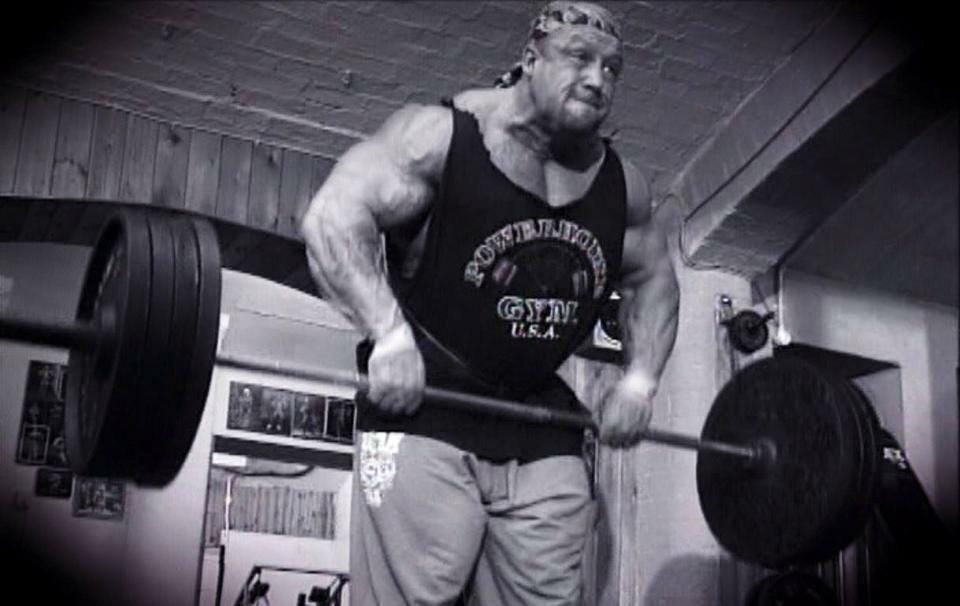
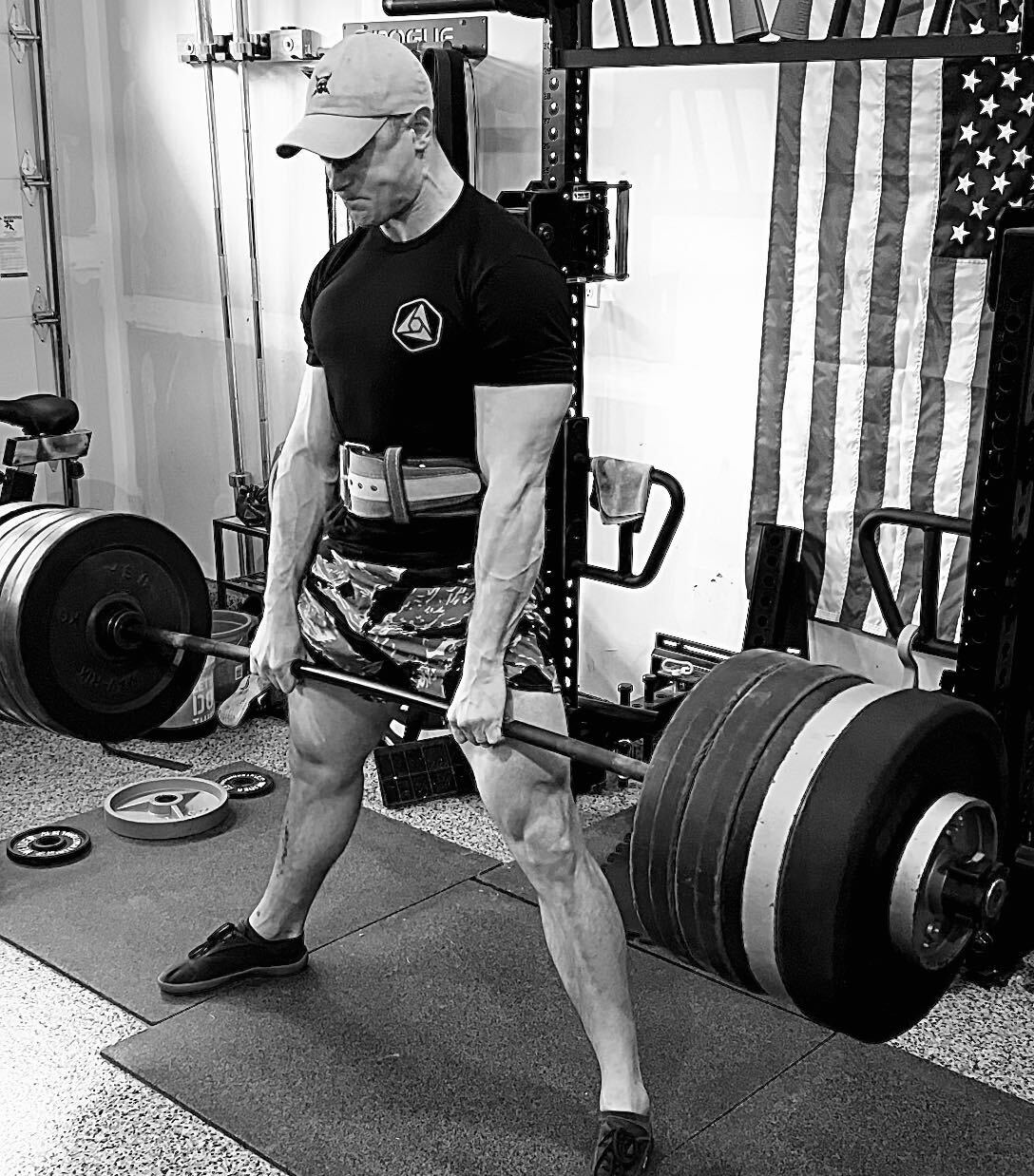
When it comes to strength, there is no substitute for the barbell in terms of effectiveness and longevity. The basic compound lifts (squat, bench press, deadlift, overhead press) are best developed using your traditional barbell and offer massive returns on investment. Barbell-focused training using compounds lifts have distinct advantages over other forms of resistance training. With a single implement, you have a range of exercise versatility and scale of loading that exceeds machines, dumbbells, and kettlebells. Many barbell exercises mimic real-life movements, contributing to a development of coordination and control that is beneficial to everyday activities and athletic performance.
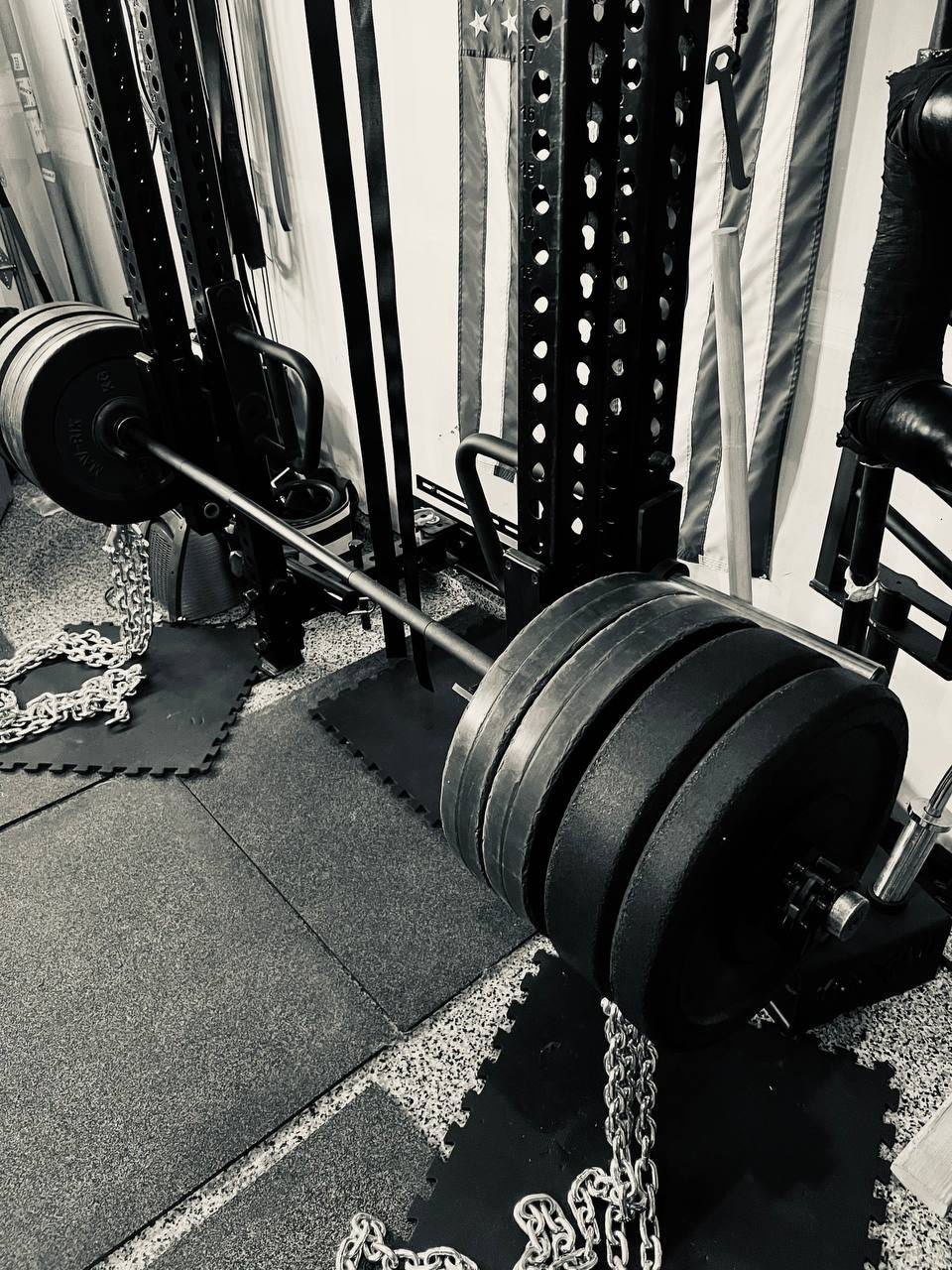
The ease of simple plate loading provides a straightforward way to progressively overload the muscles. As you become stronger, you can easily add more weight to the bar, increasing the resistance and challenging your muscles to adapt and grow. The long-term strength potential is unrivaled by any other implement. Novices can start with dumbbells or bodyweight-focused progressions to build up basic work capacity and balance, but at some point, you need to pick up a barbell to begin taking things seriously.
Train Heavy (or as close as you can)
There can be no strength development without some form of heavy strain. Exposing yourself to heavy barbell lifts in the 1-5 rep range at intensities that leave 0-2 reps left in reserve is the premier means of increasing your potential to exert force. Training at this intensity stimulates adaptations between the musculature and nervous system, enhancing the communication and efficiency to the amount (and speed) of total muscular recruitment. For novices, it may take some time before you feel fully comfortable to take on a challenging weight and not feel like you’re taking too much risk regarding injury. This discomfort is normal and should be used to moderate your rate of progress. Your goal should be to move past this state as quickly as possible and get yourself comfortable exerting effort at near-maximal intensity. It is at these intensities that provide the greatest benefit to increasing bone density, tendon strength, and core strength. A well built foundation of strength is the best injury prevention treatment available.
Build the Basics
You don’t need more than a handful of exercises to accomplish massive changes in your strength and physique. There is more benefit in building competence in just a few staple exercises than attempting to fit in a 20 exercises per session. Movements that provide the highest return on investment are easily categorized into general movements patterns.
Upper Body Pushing and Pulling (Vertical and Horizontal)
Examples: Barbell Bench Press, Barbell Row, Dumbbell Overhead Press, One-Arm Dumbbell Row, Pull-ups, Dips
Squat and Hip Hinge (Single-Leg and Double Leg)
Examples: Back Squats, Reverse Lunges, Deadlifts, RDLs, Split Squats, Good-Mornings
Loaded Carries and Rotational Movement
Examples: Farmer carries, Weighted Planks, Chops/Swings
Countless programs can be built and derived just from the example exercises given. Performing only 2-4 exercises per workout can be enough to provide long-term value. Once your training age / strength level is experienced enough, only then do you have the ability to reap the maximum value of greater exercise variety. Until that point, taking time to build competency in only a select few exercises is extremely beneficial. The given examples all develop an aspect of a basic ‘movement pattern’ which can simplistically be described as a general function of how the body moves through space. These exercises all leverage a multi-joint approach that integrate multiple muscle groups to complete the exercise, relying on the body to recruit stability using it’s own musculature to accomplish the task. This is distinctly different from isolation exercises and machine-based exercises and produce a greater overall stimulus to the body. Machines and isolation work have there place but they do not recruit the same degrees of muscular strength adaptations nor do they offer a holistic development of muscular coordination.
Train Consistently Without Excuses
The hardest part about strength training is simply showing up. We can argue day and night about the details of exercise and loading design, but none of it matters if it is not done consistently for several years. A common problem that many people of the modern age have is an unwavering demand for novelty. Should anything have the appearance of being too static or routine, modern man will get too bored to stick to the current plan. This mindset is anathema to developing strength as it can lead to a failure to appropriately build adaptations to accumulated stress.
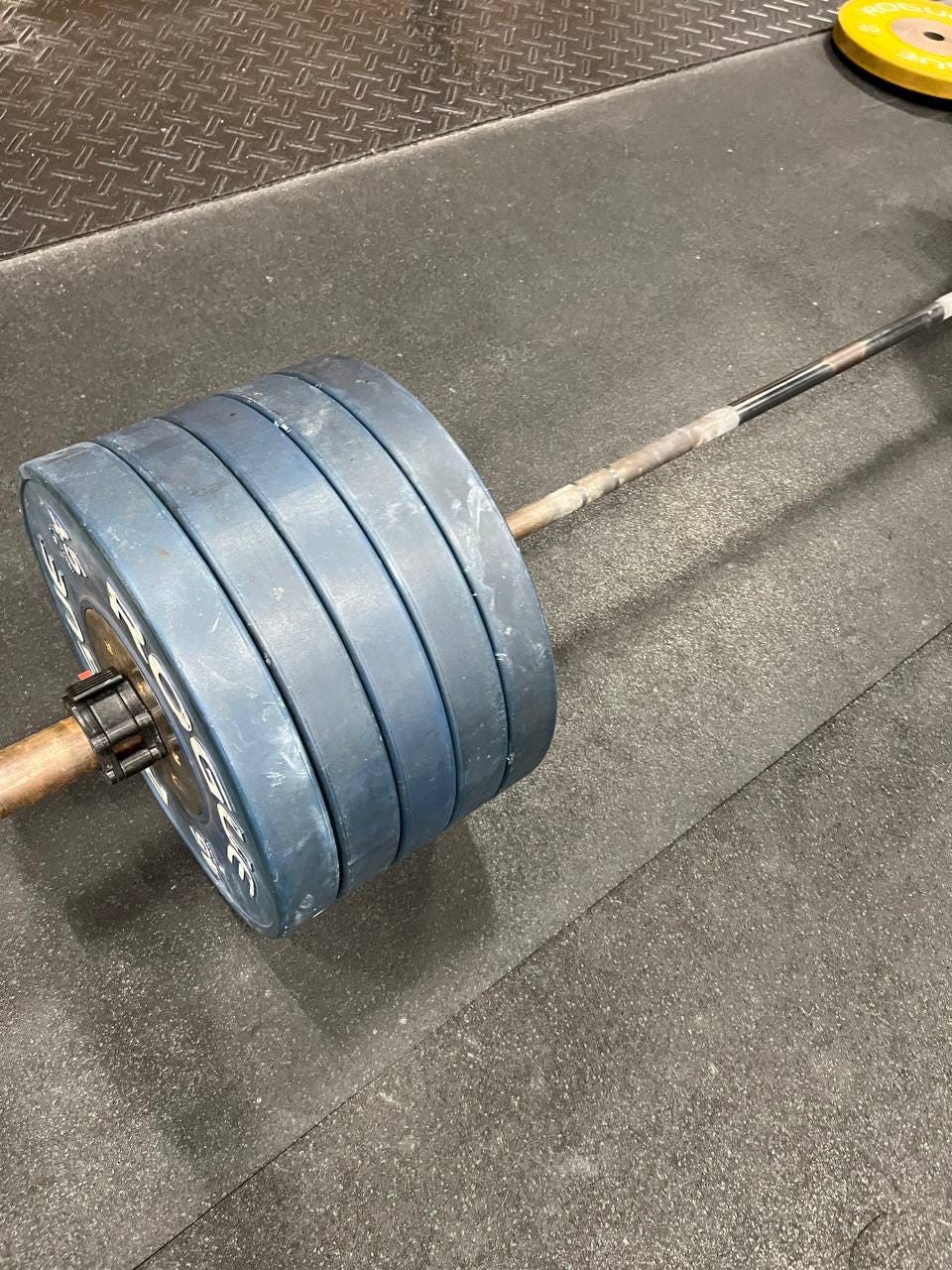
Strength development is a slow-cook, requiring many hours of disciplined exposure to heavy strain. It’s also harder to build than it is to lose, so any failure to adhere to a program for an extended amount of time can lead to wasted effort and lost progress. Some individuals never break the rut of trying to rebuild what they once lost. Assuming you have strength as one of your primary goals, the basic formula I offer is the following:
Time to Get Strong = Train 45-60 min x 2-4 days / week x 1-2 years
Without question, fully committing to this timeline will showcase massive changes in your progress so long as you’re not errantly changing the basics of your program.
Get a Crew
Lifting alone can only take you so far. The ideal environment is with a small group of your friends, all focused on the same overall mission regarding strength. The natural state of male competitiveness produces the ideal environment to learn, push your boundaries, and support each other along the way. For many, finding training partners isn’t easy. Either everyone is doing completely different things or there isn’t anyone who wants to train with a degree of seriousness that matches yours. For this reason, I started the Axios Training Club. If you need the added push, join up to have access to a committed group and premium program designed to maximize both strength and size.
Our current moment is one that is saturated by weakness. Even more frustratingly, it disincentives the development of strength and courage by celebrating passivity. This is not a sustainable course of action if you care for the security of the next generation. It’s incumbent upon you to start acting in a manner that refuses to contribute to the current cultural momentum. There are many things that still need to happen, but for the time being, you need to get strong.
References
1
Exercise for Mental Health: A Review of the Benefits and Recommendations for Practice. (n.d.). Journal of Psychiatric Practice. https://www.ncbi.nlm.nih.gov/pmc/articles/PMC4566061/
2
Physical Activity and Mental Health: An Overview. (n.d.). World Health Organization. https://www.who.int/news-room/fact-sheets/detail/physical-activity
3
National Center for Health Statistics. (2017). Antidepressant Use Among Persons Aged 12 and Over: United States, 2011-2014. NCHS Data Brief, No. 283. Hyattsville, MD: National Center for Health Statistics.
Originally published on Substack.
Defined by discipline and action. Learn more about the mentality behind the movement.